Welcome to the Park of the Month newsletter for March 2026. To celebrate Women’s History Month, we’re featuring a park that tells the story of the first Women’s Rights Convention held in the United States.
Women's Rights National Historical Park
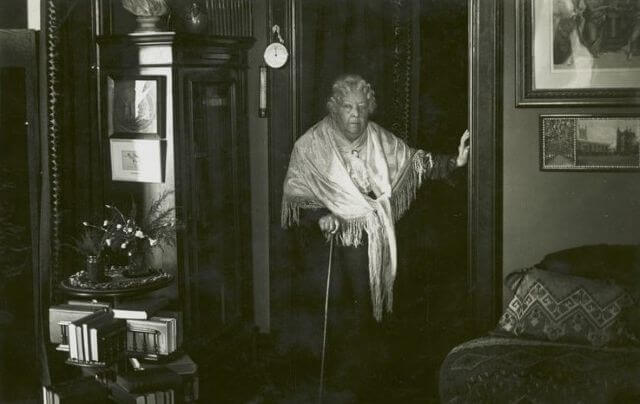
Elizabeth Cady Stanton, seen here later in her life, organized the first Women's Rights Convention. (Photo courtesy of the New York Public Library Digital Collections))
Location
Seneca Falls and Waterloo, New York, United States
Claim to fame
Women’s Rights National Historical Park was created by an act of Congress in 1980 to honor the first Women’s Rights Convention held in the United States. In July of 1848, around 300 women and men convened at the Wesleyan Methodist Church in Seneca Falls, New York to discuss the legal and civil rights denied to women at the time, like the right to vote. The convention ended with the creation and signing of the Declaration of Sentiments, which famously declared “that all men and women are created equal.” .
Reason to visit
The park is spread out over several historic properties and a modern visitor center. Visitors can tour the Wesleyan Methodist Church, which has been restored to its 1848 appearance.
The park also preserves the homes of Elizabeth Cady Stanton, who organized the convention, Jane and Richard Hunt, who hosted a tea that inspired the convention, and Mary Ann and Thomas M’Clintock, who hosted meetings for planning the convention. A visit to the park is an immersive experience that reminds us how long and difficult the fight for women’s equality has been.
Wild Fact
The “first wave” of women’s rights activism in the United States was intertwined with the abolitionist movement. Many of the attendees of the convention were also-antislavery activists, like the Quaker M’Clintock family, whose home was a stop on the Underground Railroad, the secret network which hid enslaved people during their journey to freedom.
Frederick Douglas, a brilliant writer and activist who escaped slavery as a young man, attended the convention and was one of the signers of the Declaration of Sentiments. There would later be tensions between the abolitionists and women’s rights movements, with many anti-slavery activists claiming they didn’t feel seen or accepted by those in the women’s rights movement. Still, Frederick Douglas and many others in both movements continued to proclaim that equality was for all, regardless of race or gender.
Thanks for reading. Each month, we send out an image and description of a unique natural or cultural treasure like the one above. Learn new things, explore special places, and find your inspiration: sign up for the free newsletter today.