Welcome to the Park of the Month newsletter for December 2025. This month’s park is one of the most significant cultural and spiritual sites to the indigenous peoples of the American Southwest.
Bears Ears National Monument
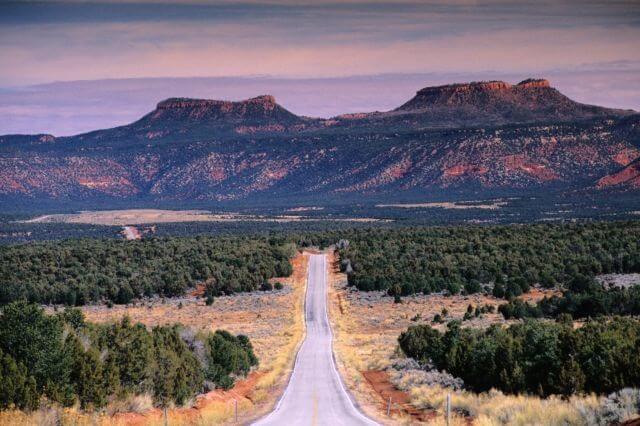
Bears Ears National Monument is named for these two buttes that look like a pair of bear ears. The site name means "Bears Ears" in each of the native languages of the region, (Photo by Witold Skrypczak/Getty Images)
Location
Southeastern Utah, United States
Claim to fame
With over 100,000 archaeological sites, Bears Ears National Monument is one of the most important indigenous cultural and spiritual locations in the United States. Members of the Hopi Tribe, Navajo Nation, Ute Mountain Ute Tribe , Pueblo of Zuni, and Ute Indian Tribe were integral to its founding as a national monument.
Bears Ears has also become a battle ground for political and corporate disputes. Though polls show the monument has bipartisan support within the region, politicians and corporate entities have attempted to drastically reduce the size of the monument so that the lands can be used for mining and other resource extraction.
Reason to visit
There are many popular recreational activities in Bears Ears, including rock climbing at Indian Creek, hiking through natural and cultural wonders at Cedar Mesa or Comb Ridge, and boating through canyons on the San Juan River.
Looting of artifacts has long been a problem at Bears Ears, and visitors are asked to always tread lightly and remove nothing from the monument. Outcry over theft is one reason that the monument was created, so as to protect these priceless pieces of American culture.
Wild Fact
Bears Ears National Monument is one of the first conservation areas in the US to be co-managed by the US government and Tribal governments. The monument is overseen by the US Bureau of Land Management and US Forest Service along with leaders from five local tribes that make up the Bears Ears Inter-Tribal Coalition. This type of co-management makes Bears Ears a potential model for a transition in conservation to more community-based leadership.
Want to learn more about Bears Ears National Monument? Visit the park’s website.
Thanks for reading. Each month, we send out an image and description of a unique natural or cultural treasure like the one above. Learn new things, explore special places, and find your inspiration: sign up for the free newsletter today.